
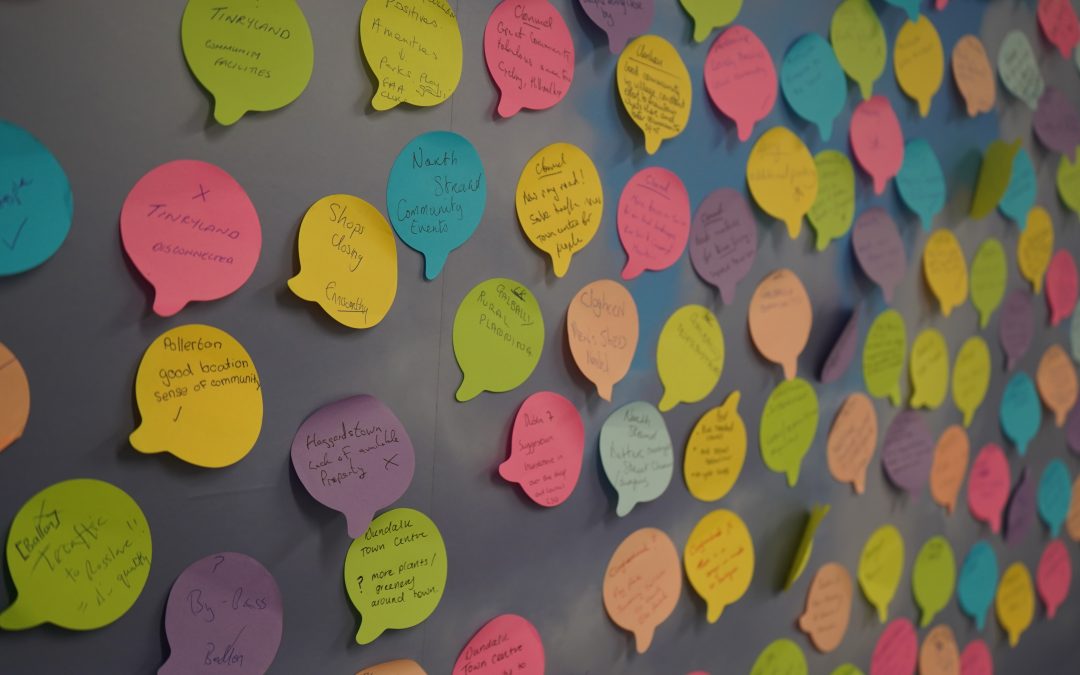
🇪🇺 Week 12 of 26: Placemaking in County Offaly
Offaly – The Faithful County, With Property Values Catching up Fast
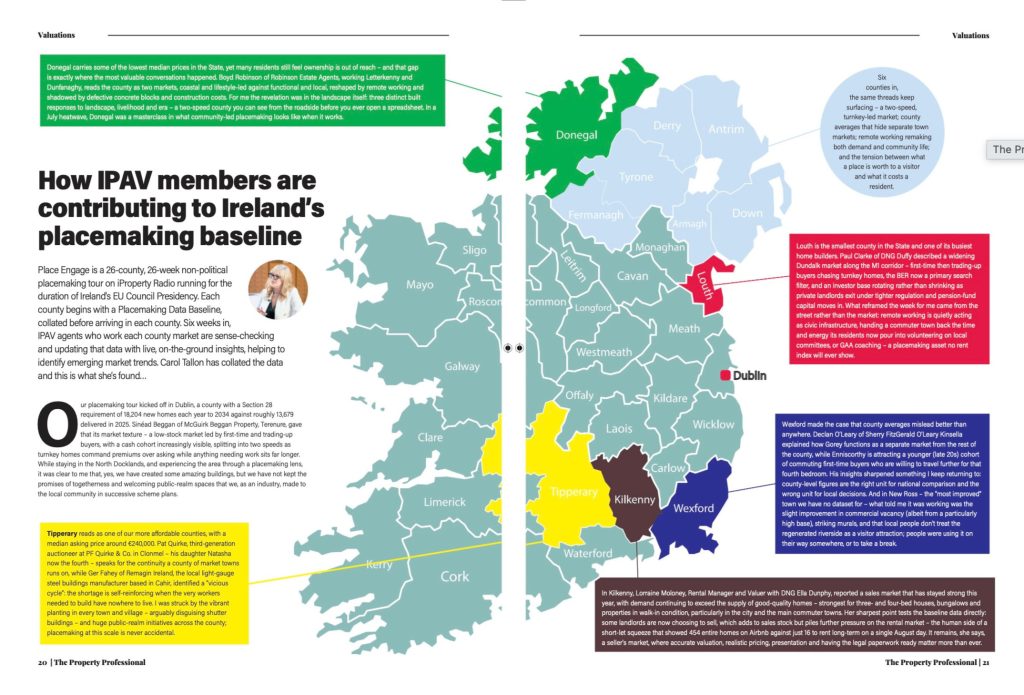
🇪🇺 Week 12 of 26: Placemaking in County Offaly – Place Engage arrives in County Offaly just in time for the Ploughing, with a quarter of a million people about to pass through Screggan and, on the same weekend, seventeen homes to rent long-term across the entire county. Offaly reads as one of the cheaper counties in the State, yet it has produced the steepest six-year price climb of any county in the series so far, and its empty units are on the main streets rather than in the housing stock. We tested the baseline with IPAV member agent Kevin Loonam.
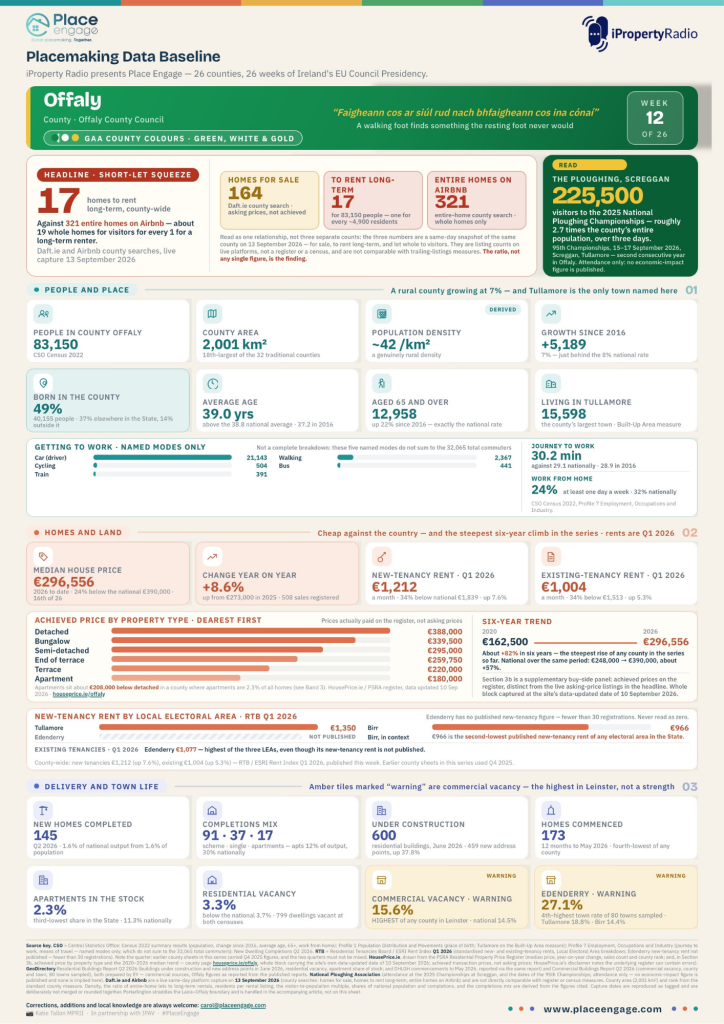
83,150 people, up 7% since 2016 · only 49% born in the county · median house price €296,556 (~24% below national) – but up ~82% since 2020, the steepest climb in the series · new-tenancy rent €1,212 (~34% below national) · 145 completions last quarter, 17 of them apartments · apartments just 2.3% of the housing stock, third-lowest in the State · commercial vacancy 15.6%, the highest in Leinster · 321 entire homes on Airbnb against 17 to rent long-term.
Through iProperty Radio, Place Engage is undertaking a non-political placemaking series across 26 counties throughout the 26 weeks of Ireland’s EU Council Presidency. As there are no established metrics for good placemaking in Ireland, each week – before arriving in each county – we undertake desktop research of 60-70 local data points, and publish the most relevant points (full Placemaking Data Baseline series available at https://placeengage.com/news/). Then, our time on the ground is spent listening to people and exploring where the published record tracks lived experience, and where it diverges.
A personal note before the data
Before we start, I must declare a conscious negative bias against County Offaly, which I tried to counter throughout the week. My very first job out of college – 27 years ago – was with the Legal Aid Board in Tullamore, before Kilkenny and then Kerry. It was my only ever stint in the public sector, and I knew almost instantly that the work was not for me: anything that needs to be done in triplicate before tending to the truly distressing situations in the waiting room cannot make sense in the real world. I handed in my notice within two months, but had to serve out the remainder of the six-month contract.
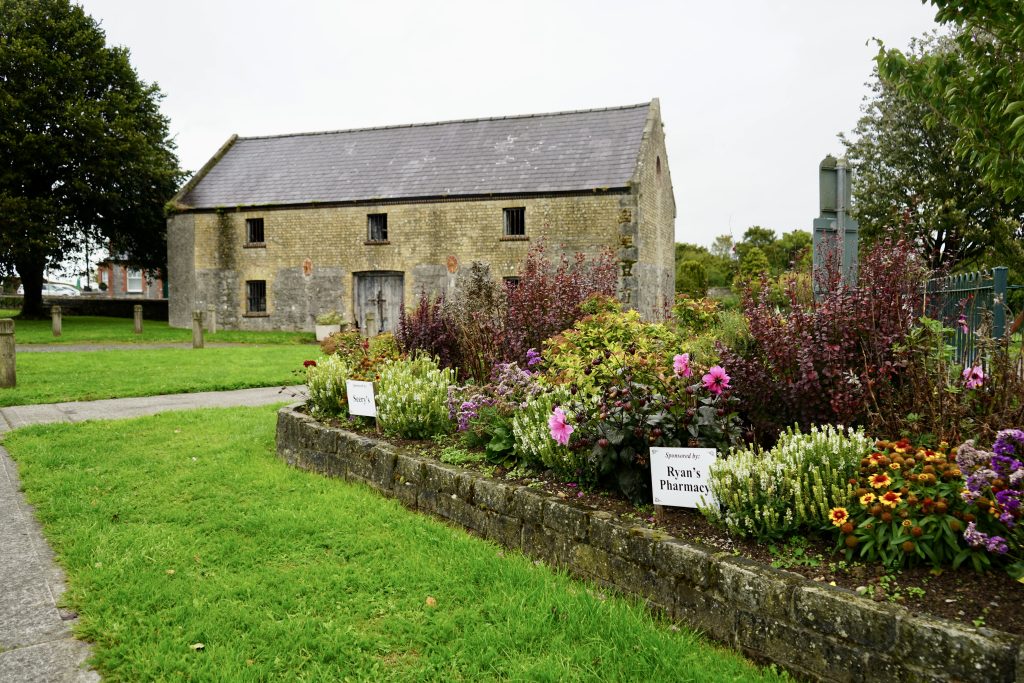
While working there I lived in the old granary building, converted into small duplexes and townhouses right in the heart of the town. Even the convenience of living with the crèche one street to the left and my workplace one street to the right was not enough to endear the town to me. It is also the farthest I have ever lived from the coast or from lakes. Tullamore, at that time, was debilitated by incessant traffic, there was little in the way of public amenities*, and it was the least enjoyable place I have ever lived — and, as this 26-week, 26-county placemaking tour keeps reminding me, I have moved around quite a bit. But that was almost three decades ago, I genuinely wanted to hear from current residents about their lived experiences. Incidentially, for rural Offaly dwellers, these were broadly more positive than in other counties.
*Also, the public realm and amenities in Tuallore, particularly by the canal, are great.
On the ground this week
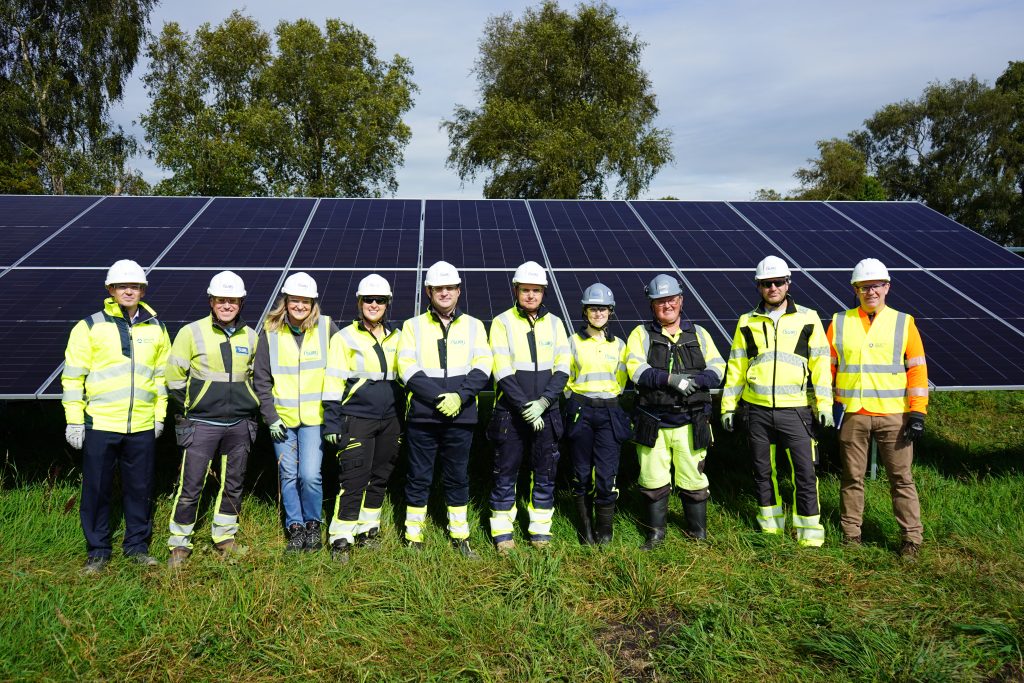
Our week kicked off assisting the iProperty Radio and Construction Industry Federation teams on the site of a new solar development outside Edenderry, close to the power plant, recording a podcast and a series of vox pops with Suir Engineering workers, some of whom live in County Offaly. Renewable energy infrastructure on the former bogland of the midlands is one of the more visible answers to the question this county has been asking since the peat economy wound down, and it was a useful place to start listening. Too often, the ‘Just Transition’ conversation is disconnected from the people it is supposed to protect.
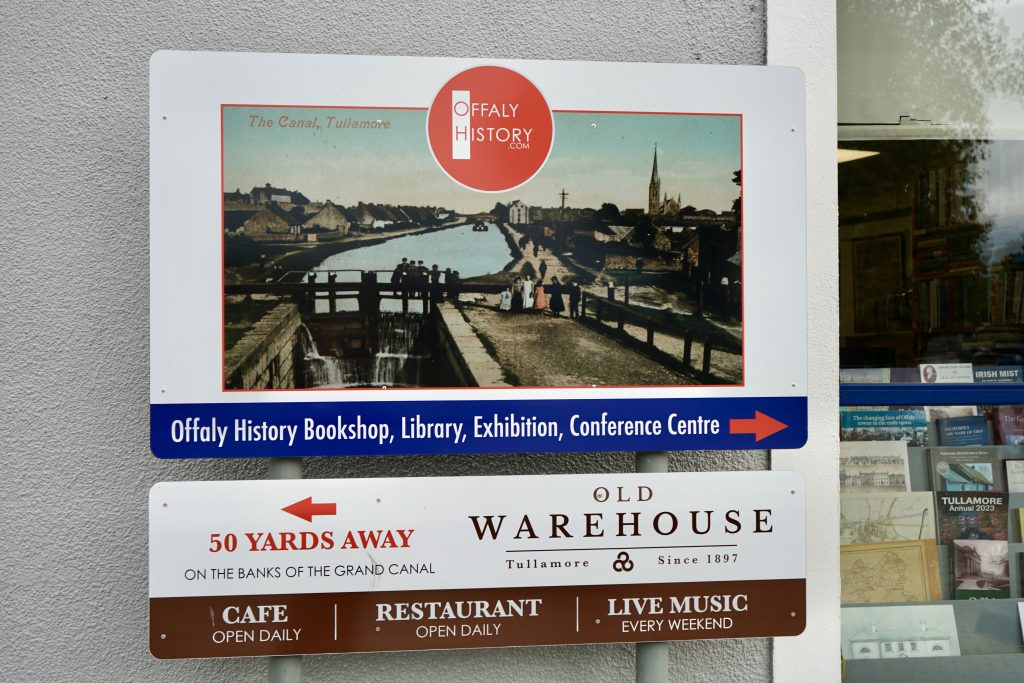
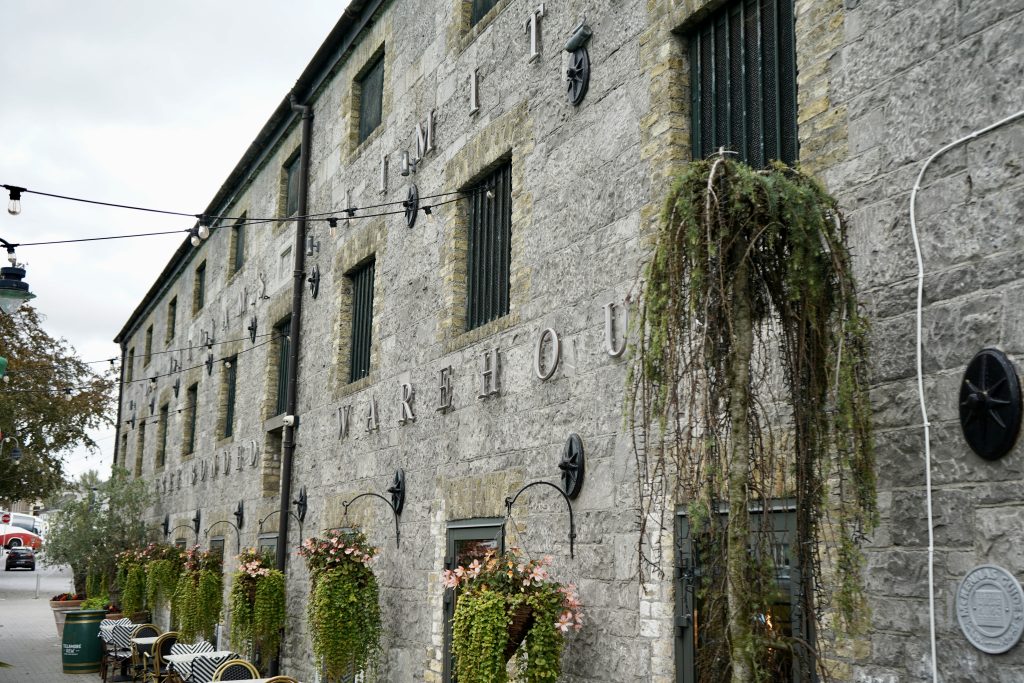
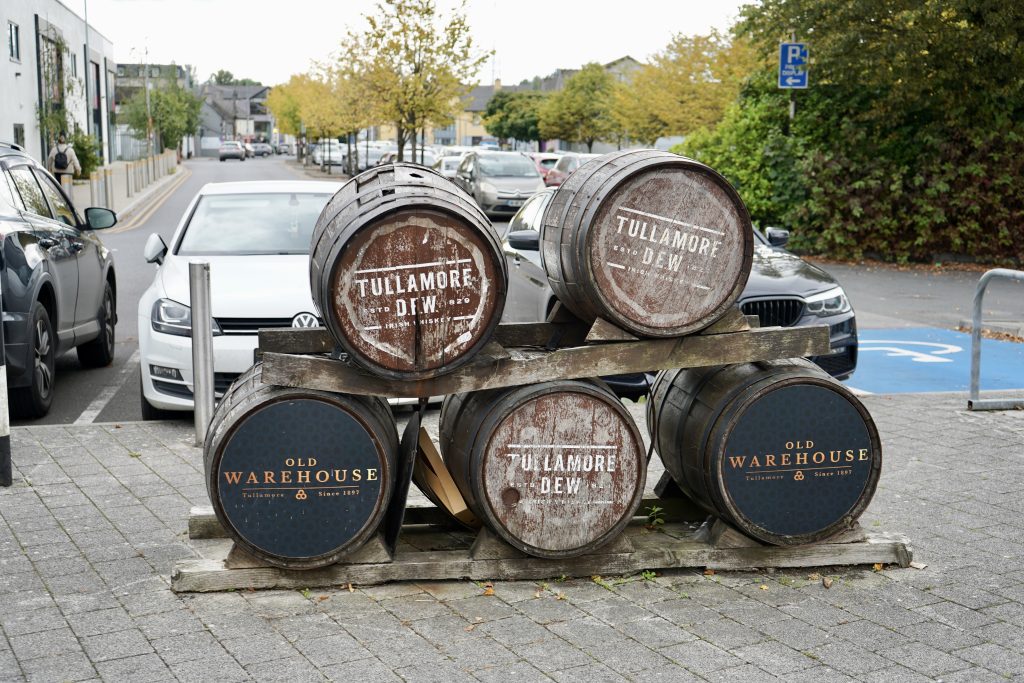
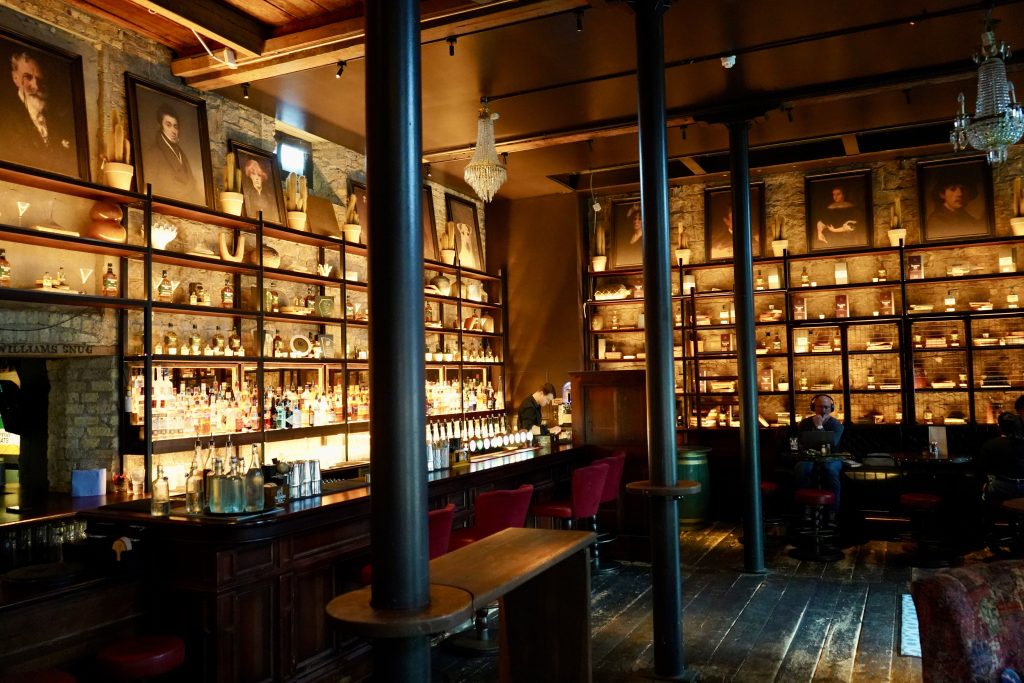
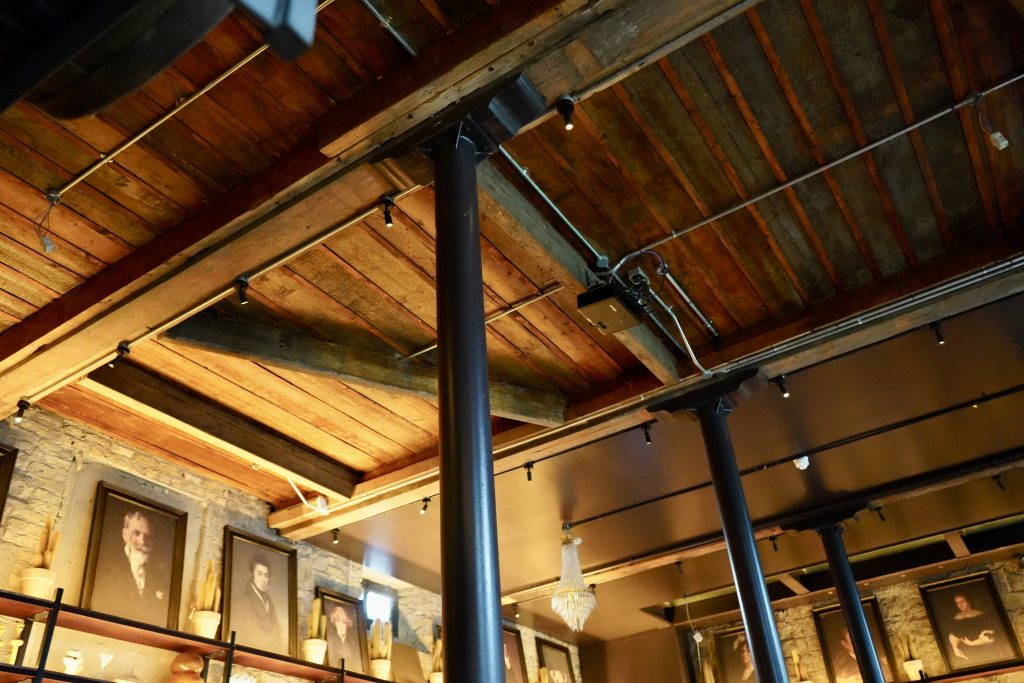
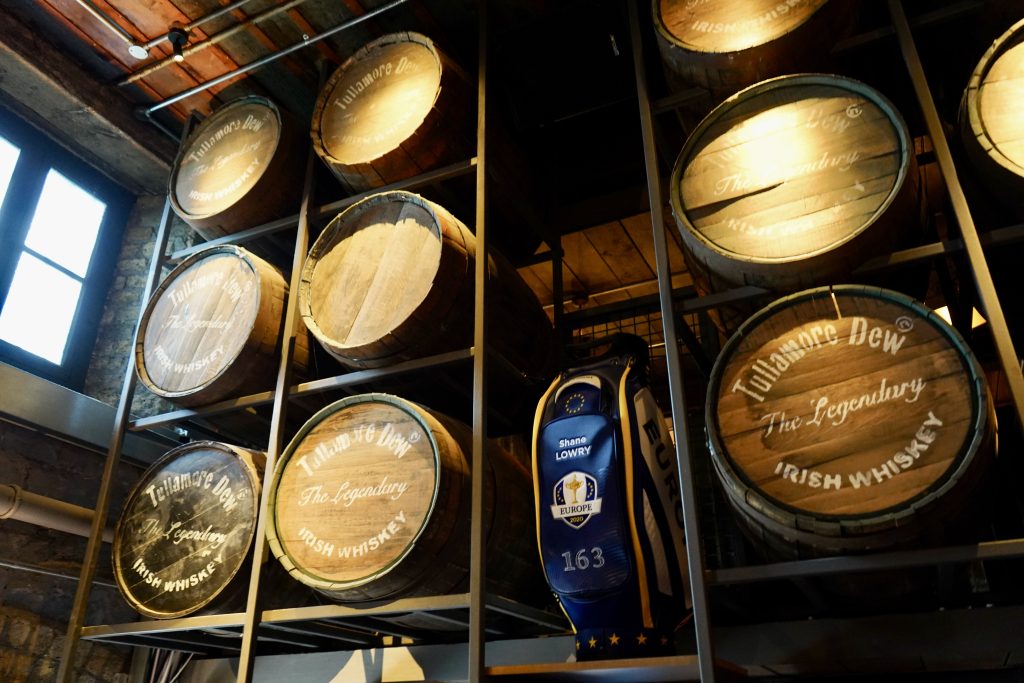
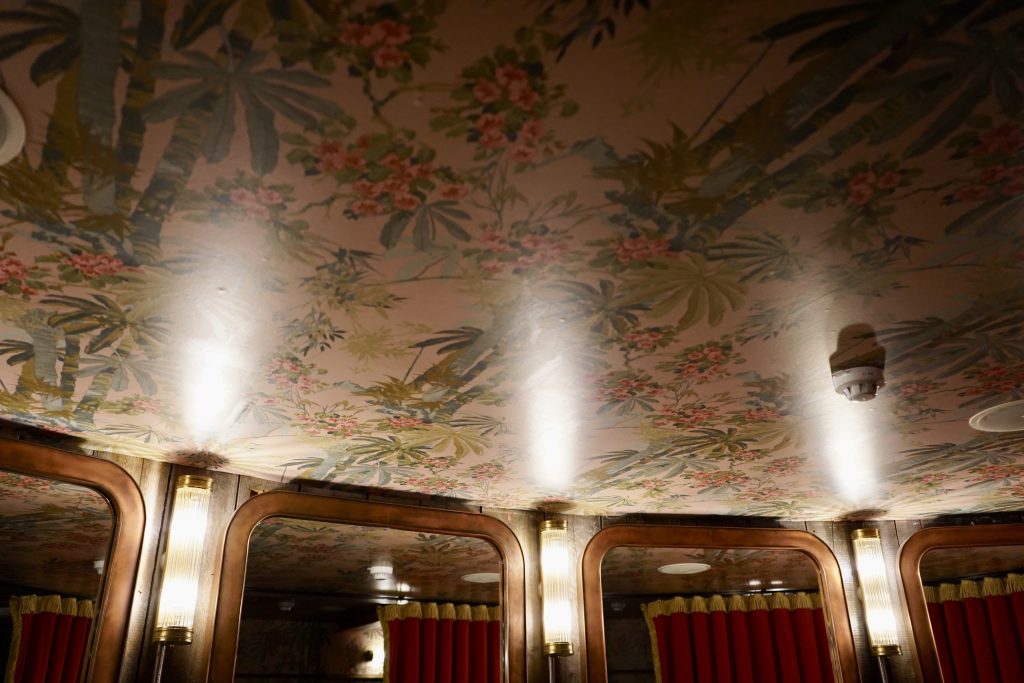
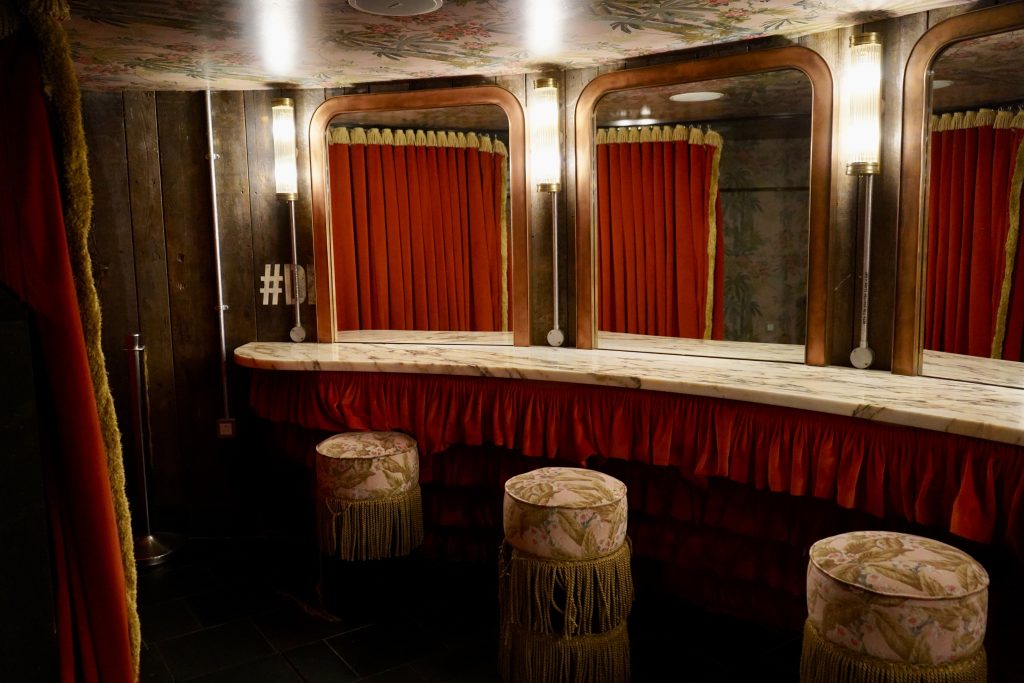
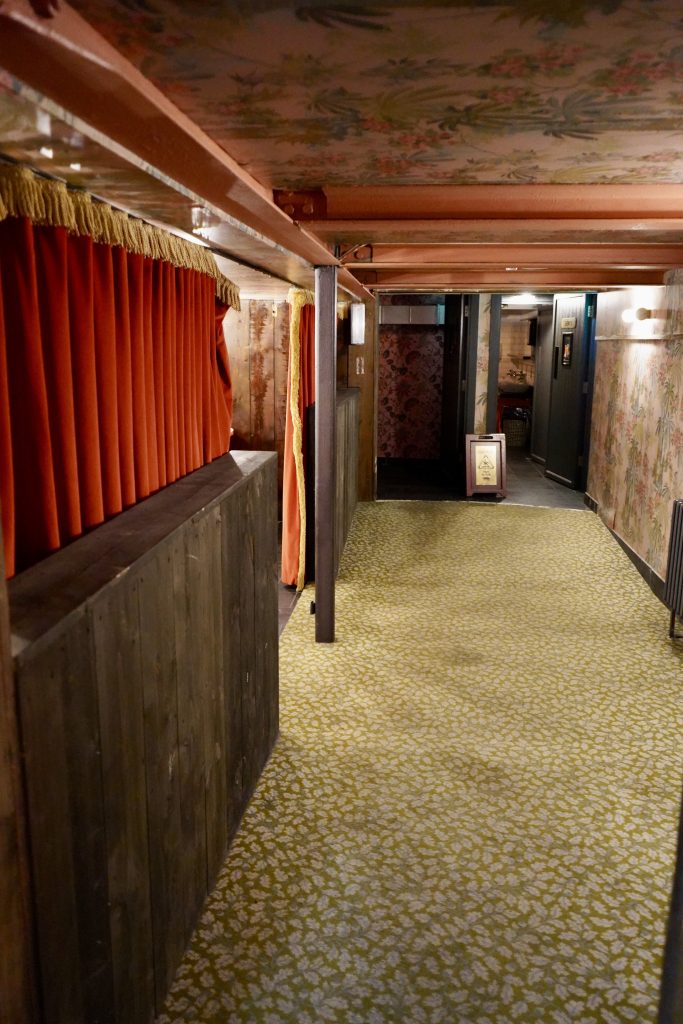
As it happens, we arrived in the county hours after Clara golfer Shane Lowry’s big win on Sunday, so — as a mark of respect — we made sure to visit the Old Warehouse in Tullamore. The former Tullamore Dew warehouse was bought by Alan Clancy, who partnered with the champion golfer to launch a bar, restaurant and café in the heart of the town, close to the canal walk and the enhanced public realm. The venue includes a whiskey bar, a “GAA Snug” and a room filled with golf memorabilia honouring the golfer’s career. The exposed conservation elements, the fit-out, the food and the general atmosphere were all excellent — a special shout-out to the Pure Fitout team on a superb job. My only complaint is the one-hour-only public parking (very little all-day parking) which put us under pressure to eat up and get out. A town that has developed a centre worth lingering in, and then meters the lingering, has one more small thing to fix.
Then, in the biggest personal disappointment of the 12 weeks so far, I had to change plans mid-week for events in Dublin and then Galway, and missed the Ploughing Championships. As a proud culchie, this is something akin to Christmas. To rub salt in the wound, I still had to navigate the knock-on traffic around Mucklagh on two separate occasions, without partaking in any of the agri-fun. If anyone would like to send their insights from the Ploughing — as an exhibitor or as an attendee — please email carol@placeengage.com. Despite that, it was not a bad week to be in the Faithful County.
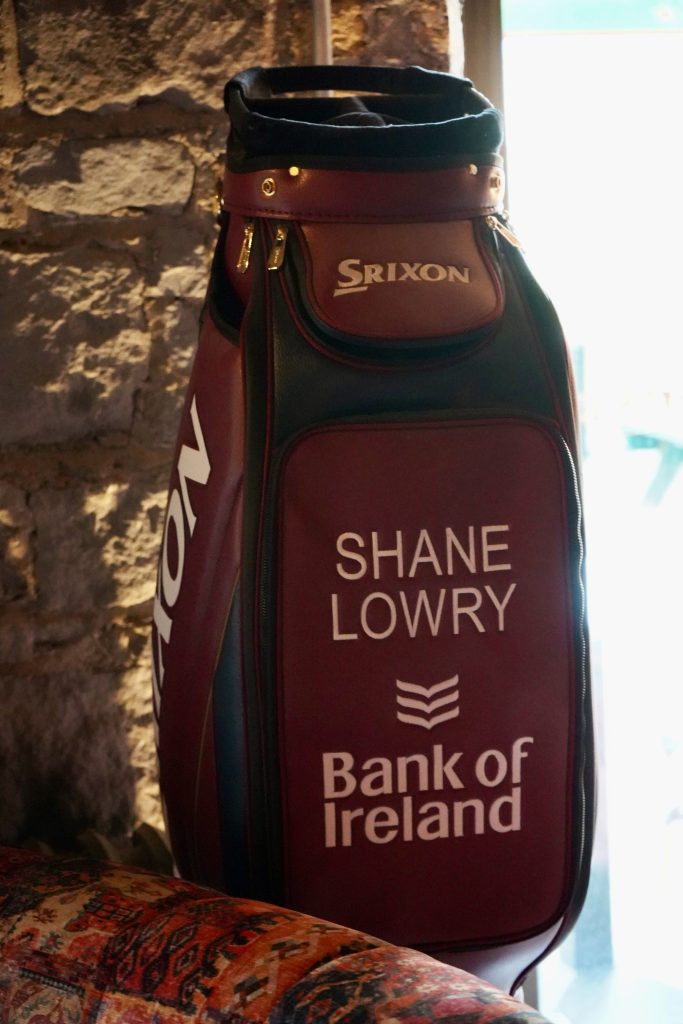
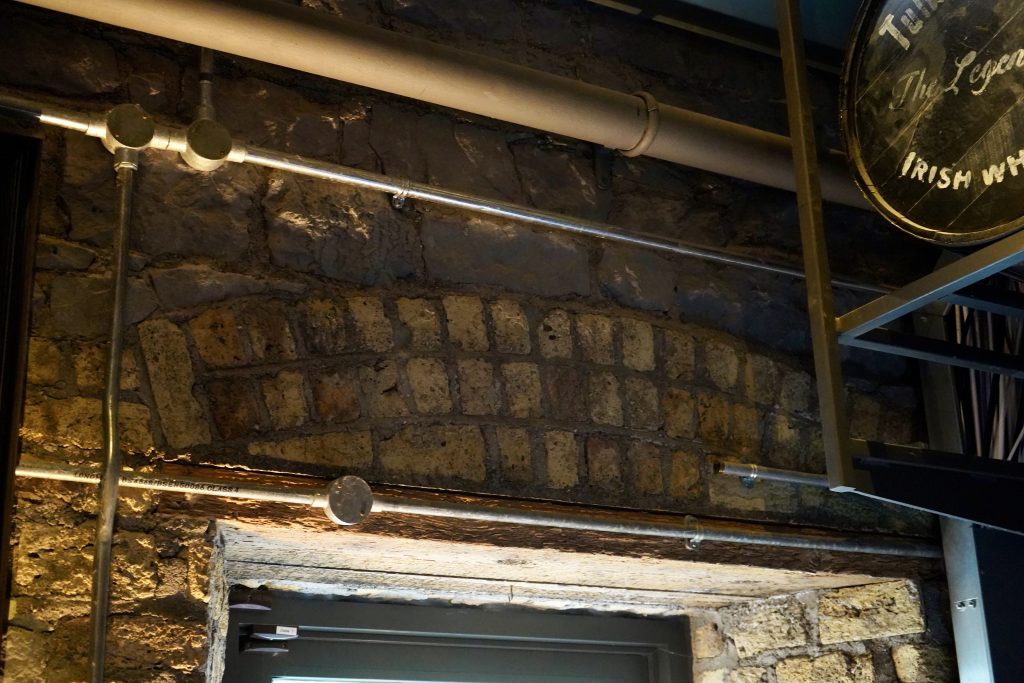
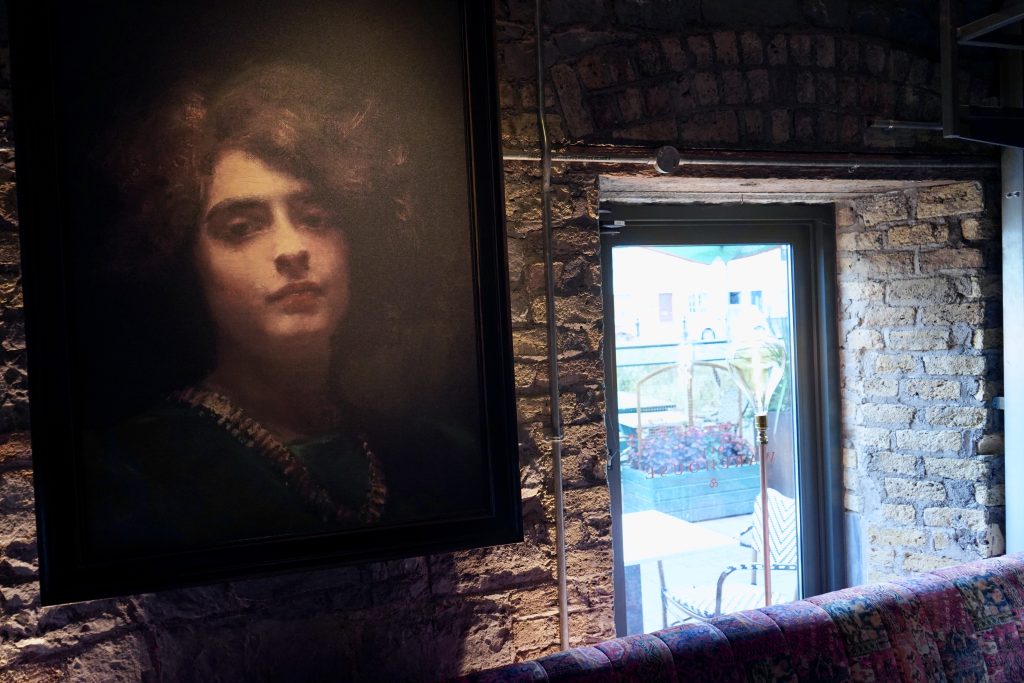
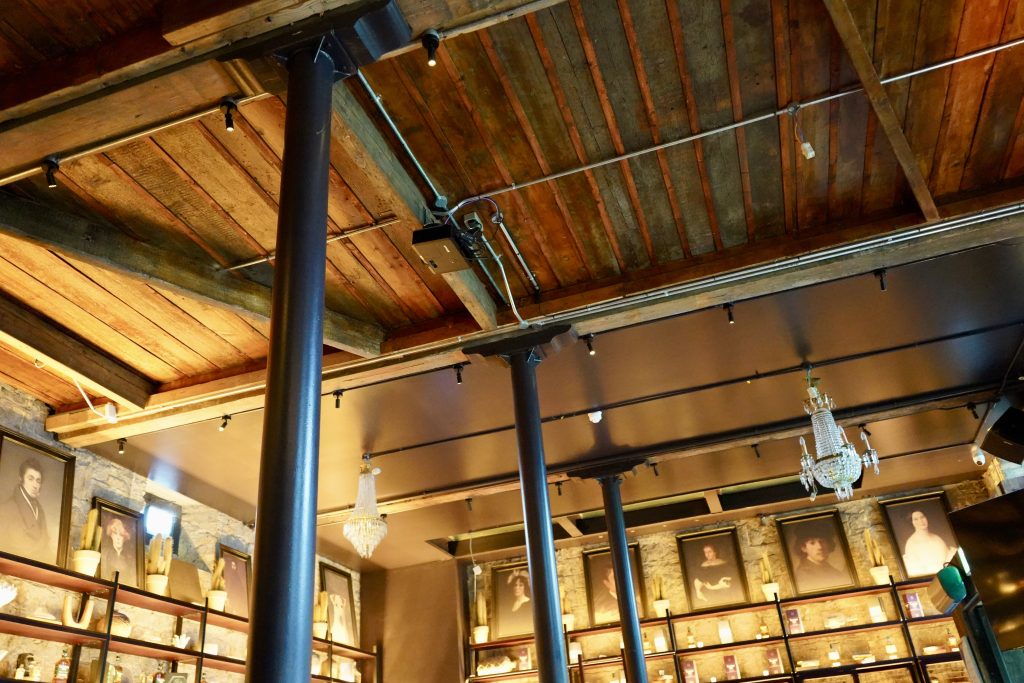
A rural county, growing steadily, where half the residents came from elsewhere
Offaly is home to 83,150 people, spread across 2,001 km² – the 18th-largest of the 32 traditional counties – for a density of roughly 42 people per km². That is genuinely rural: lower than Kilkenny’s 50, and less than half of Meath’s 94. The population grew 7% between 2016 and 2022, an increase of 5,189 people, just behind the 8% national rate.
Just 49% of residents – 40,155 people – were born in the county, with 37% born elsewhere in the State and 14% outside it. That sits between Carlow’s 43% and Kilkenny’s 58% in our series, and well above Meath’s 32%. The average age was 39 in 2022, a touch above the 38.8 national figure and up from 37.2 in 2016; the population aged 65 and over rose 22% to 12,958 – exactly the national rate. Tullamore is the county’s largest town at 15,598 on the Built-Up Area measure.
The commute is not quite Meath’s, but it is not short either. The average journey to work was 30.2 minutes, against 29.1 nationally, and up from 28.9 in 2016. Of 32,065 commuters, 21,143 drove a car, 2,367 walked, 504 cycled, 441 took a bus and 391 a train – named modes that do not sum to the total, so the car-driver figure understates rather than overstates car dependence. Only 24% worked from home at least one day a week, against 32% nationally. In a midlands county with a motorway on its edge and a rail line through its county town, the remote-working dividend that reshaped Louth’s commuter towns has arrived here more slowly.
Lower cost against the country – and the steepest climb in the series
On the transaction record, the median house price in County Offaly was €296,556 for 2026 to date, up 8.6% on the €273,000 recorded in 2025, against a national median of €390,000 on the same basis – about 24% below the national line, and 16th of 26 counties (HousePrice.ie’s county page for Offaly, drawn from the PSRA Residential Property Price Register; 508 sales registered, data updated 10 September 2026).
These are achieved prices – what buyers actually paid on the register – as distinct from the asking and listing prices in the Daft.ie snapshot later in this article. The two are not interchangeable.
Beneath the median, the county’s six-year trend is the finding. Offaly’s median has climbed from €162,500 in 2020 to €296,556 in 2026 – a rise of about 82%, the steepest of any county in the series so far, against a national move from €248,000 to €390,000, about 57%, over the same period (HousePrice.ie / PSRA register). Below the national line, then, but catching up on it fast. A county that was considered cheap in 2020 has risen more quickly than anywhere else we have baselined over the series so far.
By type, the median detached house sold for €388,000 in 2026 to date, a bungalow for €339,500, a semi-detached for €295,000, an end-of-terrace for €259,750, a terrace for €220,000 – and an apartment for €180,000, some €208,000 below a detached house. That apartment figure is worth holding against the stock data below: apartments are 2.3% of all homes in Offaly.
Rents sit further below the national line than prices do, and the county-wide picture is now on the Q1 2026 index. The standardised average rent for new tenancies in Offaly was €1,212 in Q1 2026, up 7.6% year on year, against a national €1,839 – about 34% below (RTB/ESRI Rent Index, Q1 2026, published this week). Existing tenancies averaged €1,004, up 5.3%, against €1,513 nationally – again about 34% below.
The internal gradient is where the placemaking question sits. Tullamore is the most expensive electoral area, at €1,350 for a new tenancy. Birr, at €966, is the second-lowest published new-tenancy rent of any electoral area in the State. Edenderry has no published new-tenancy figure — fewer than 30 registrations — though on existing tenancies it is, at €1,077, the highest of the county’s three LEAs. That combination, the dearest existing rents and a new-tenancy market too thin to publish, is the signature of a town where very little is changing hands.
Building houses, holding almost no apartments
County Offaly completed just 145 new dwellings in Q2 2026 – about 1.6% of national output from 1.6% of the national population, so building precisely at its weight. The mix was 91 scheme houses, 37 single houses and 17 apartments: apartments at 12% of output against 30% nationally.
That quarter is, in fairness, apartment-heavier than the stock it adds to. Apartments make up just 2.3% of all homes in Offaly – the third-lowest share of any county in the State, against 11.3% nationally (GeoDirectory, Q2 2026). Read against the €208,000 gap between an apartment and a detached house on the register, the affordable end of the Offaly market is the end the county has barely ever built.
The pipeline is mixed. There were 600 residential buildings under construction in June 2026, and 459 new residential address points were added over the preceding twelve months, up 37.8%. But only 173 homes were commenced in the twelve months to May 2026 – the fourth-lowest of any county (DHLGH figures).
Word of caution: A strong address-point year sitting on top of a weak commencement year is a pipeline that may thin out before it fills, and it is the figure I would put to anyone on the ground who builds here.
Residential vacancy is 3.3%, below the national 3.7%, and 799 dwellings were recorded as vacant in both the 2016 and 2022 censuses — the long-term-vacancy core (CSO Census 2022).
The empty units are on the main street
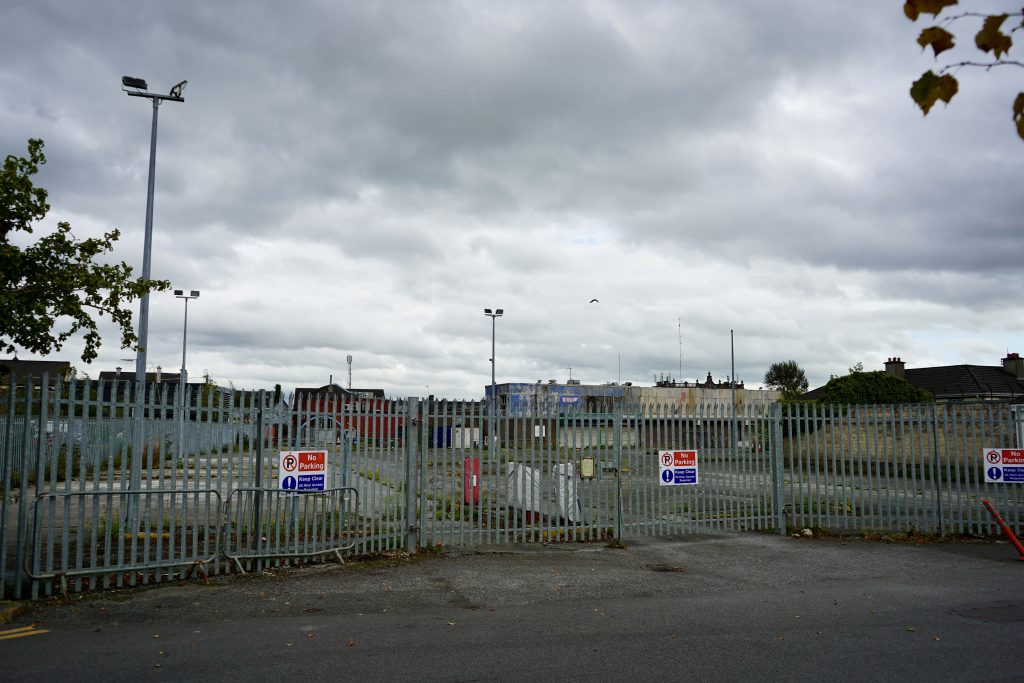
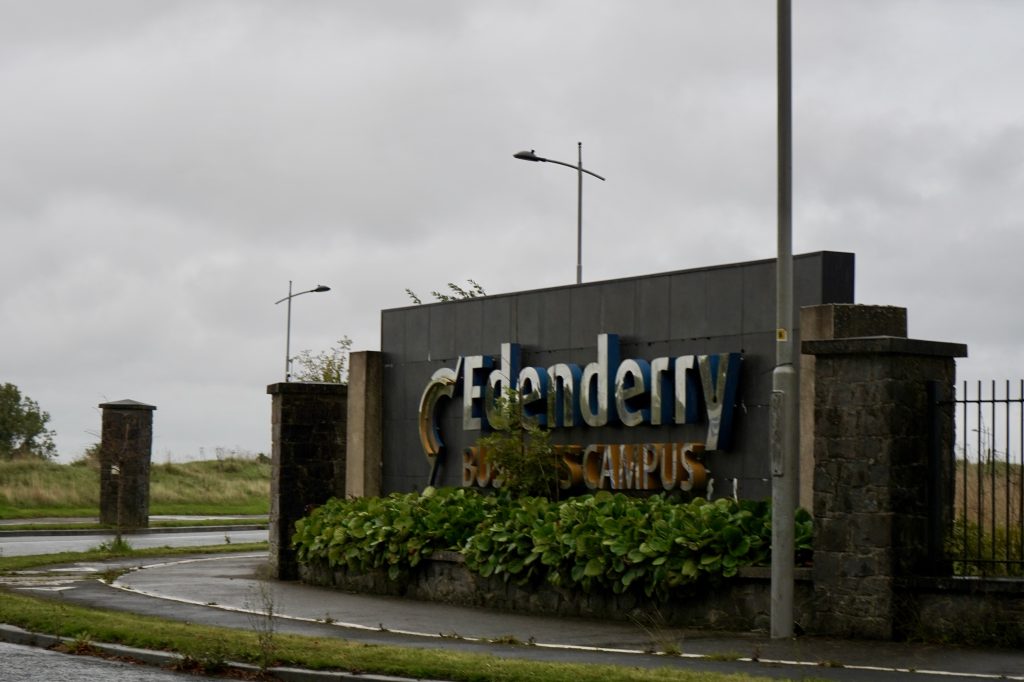
Offaly is the counter-image of Meath. Where Meath had the lowest commercial vacancy in the country, Offaly’s commercial vacancy stood at 15.6% – the highest of any county in Leinster, against a national 14.5% (GeoDirectory Commercial Vacancy Rates Report, Q2 2025). Within the county, Edenderry recorded 27.1% – the fourth-highest town rate of the 80 towns GeoDirectory sampled nationally – with Tullamore at 18.8% and Birr at 14.4%.
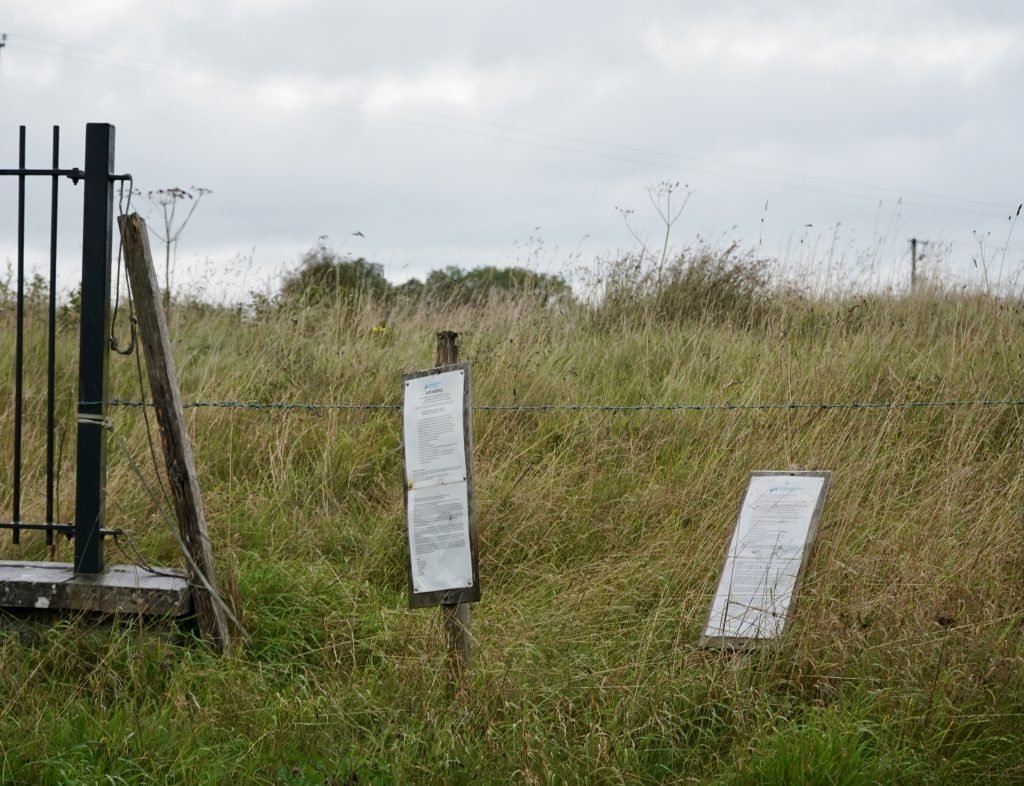
Put those town figures beside the rent figures above and Edenderry starts to describe itself: the highest existing-tenancy rents in the county, a new-tenancy market too thin to publish, and more than a quarter of its commercial units empty. It is also the town where our week began, on the solar site by the power station – which is to say a town whose next economy is being built on its edge while its centre waits. The dereliction argument from Week 6 in Kilkenny applies without amendment: the instruments exist – the derelict sites levy and its Revenue-administered successor, the Croí Cónaithe refurbishment grants, Town Centre First, compulsory purchase for activation. The question in Edenderry is whether they are reaching a town of this size, and whether “living over the shop” can be made a practical route rather than a policy phrase.
Tullamore’s 18.8%, meanwhile, is the number to weigh against my own memory of the town. The canal walk, the public realm and a warehouse conversion of the quality of the Old Warehouse are the visible evidence that the centre has been reinvested in. Nearly one commercial unit in five empty is the evidence that reinvestment has not yet reached the whole street.
The short-let squeeze (likely impacted by the Ploughing week)
The figure an Offaly resident will recognise from their own search history is the balance between what is for sale, what is available to rent long-term, and what is offered to visitors. On a live capture on 13 September 2026 there were 164 homes advertised for sale across the county and just 17 available to rent long-term (Daft.ie), while a same-day search found 321 entire homes listed on Airbnb. That is roughly 19 whole homes offered to visitors for every one offered to a long-term renter – and 17 long-term rentals for 83,150 people is one for roughly every 4,900 residents, the thinnest per-capita rental market in the series so far (Meath ran at roughly one per 2,900; Carlow at roughly one per 2,100).
But the timing makes the above analysis questionable…. We deliberately update sales/long-term rental/short-term rental stats on the week we land: The 2025 National Ploughing Championships drew 225,500 visitors over three days – roughly 2.7 times the entire population of the county (National Ploughing Association attendance). The 95th Championships ran at Screggan, Tullamore from 15 to 17 September, the second consecutive year in Offaly. A short-let stock of 321 entire homes is, for three days a year, a rational response to that. For the other 362 days, it is the difference between 17 homes to rent and something a working household could actually search.
The view from the market
[to follow]
Takeaways for Offaly
Three things stand out from the Week 12 experience: .
- First, Offaly is less expensive against the country median and rising faster than anywhere we have been. A median 24% below the national line, sitting on an 82% rise in six years, is a county whose affordability advantage is being spent – and the apartment, the one product priced for a first-time buyer or a right-sizer, is only 2.3% of the stock.
- Second, the empty units are commercial, not residential. Residential vacancy is below the national rate; commercial vacancy is the highest in Leinster, and Edenderry’s 27.1% is among the highest of any town in the State. The Kilkenny question – whether the dereliction instruments bite – arrives in Offaly with a sharper edge, because the town most in need of them is the one where the new economy is being built on the edge rather than in the centre.
- Third, only 17 homes to rent. On the weekend the Ploughing brought a quarter of a million people through the county, that was the entire long-term rental offer for 83,150 residents — the thinnest per-capita rental market in twelve weeks of this series so far.
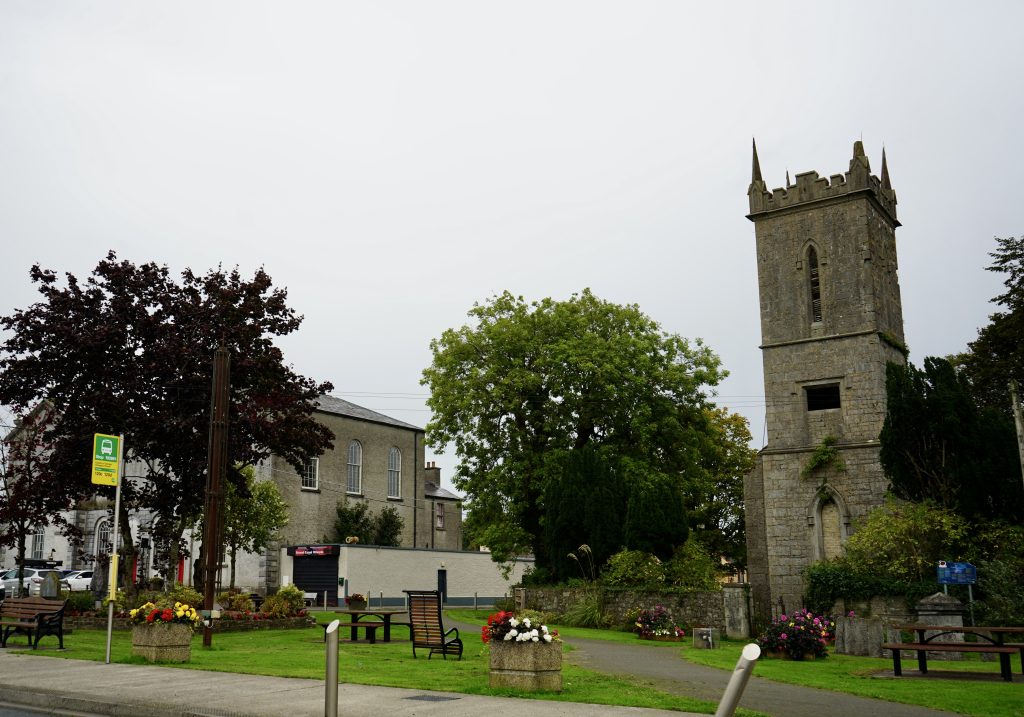
And a personal correction, offered in the spirit fairness. The Tullamore I lived in 27 years ago was a town I could not wait to leave. The Tullamore I walked this week has a canal front, several public realm areas worth visiting and a number ofheritage building conversions. The traffic has not gone, and the parking meter still hurries you out, which is a real problem for visitors to the market town (incidentially, there is a large derelict site next to the cirrent car park – perhaps a temporary solution might be in order?).
As ever, our time on the ground is just a starting point. Offaly is a county I knew badly and disliked unfairly, which is exactly why I want it tested against what residents and practitioners see day to day – in Tullamore, Birr and Edenderry, in Clara, Banagher, Ferbane and the bog villages between.
Does the data match what you see? Corrections and contributions are always welcome: carol@placeengage.com