
The Buyers Are There, The Homes Are Not: County Kerry
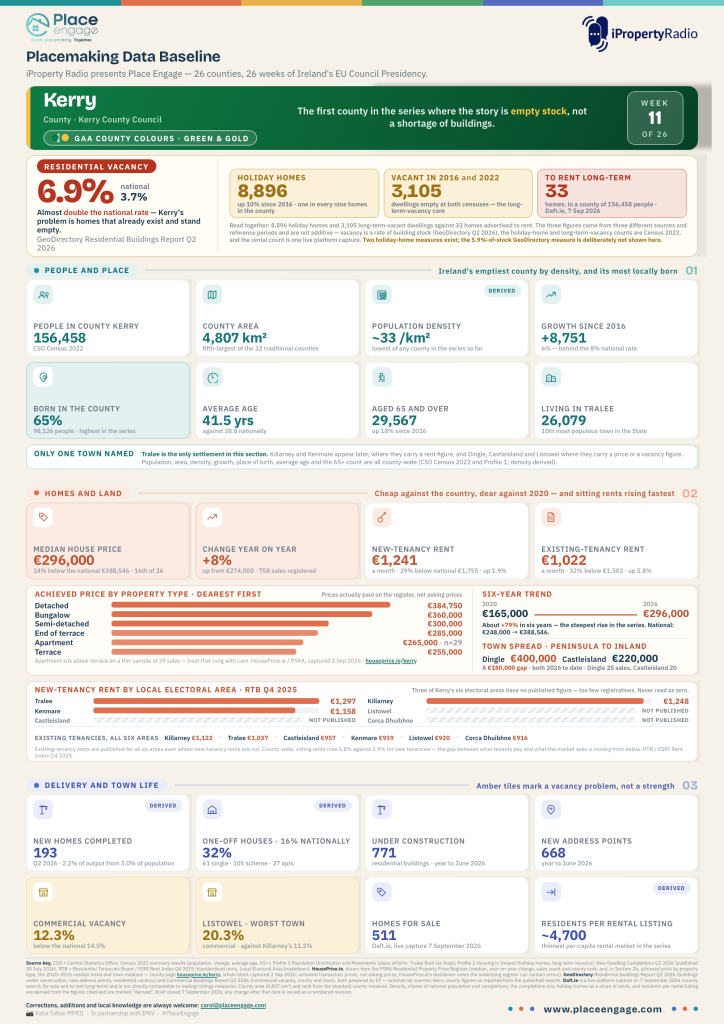
🇪🇺 Week 11 of 26: Place Engage arrives in County Kerry — the fifth-largest county on the map, the lowest-density county in this series so far, and the first where the placemaking problem is not a shortage of buildings but the use the existing ones are put to. One in every nine homes in Kerry is a holiday home, residential vacancy runs at almost double the national rate, and on a live search this month there were 33 homes to rent long-term across a county of 156,458 people.
“Faigheann cos ar siúl rud nach bhfaigheann cos ina cónaí” — a walking foot finds something the resting foot never would.
156,458 people, up 6% since 2016 · average age 41.5, against 38.8 nationally · 65% of residents born in the county, the highest share in the series · median achieved house price €296,000 (~24% below national), up 8% on the year and up 79% since 2020 · new-tenancy rent €1,241 (~29% below national) · 3 of 6 electoral areas with no publishable new-tenancy rent · 193 completions last quarter, 61 of them one-off houses · residential vacancy 6.9% against 3.7% nationally · 8,896 holiday homes · 3,105 dwellings vacant across two consecutive censuses · 33 homes to rent long-term against 511 for sale.
Through iProperty Radio, Place Engage is undertaking a non-political placemaking series across 26 counties throughout the 26 weeks of Ireland’s EU Council Presidency. Each county week builds a Placemaking Data Baseline from primary sources before we arrive, and then our time on the ground is spent listening to people and exploring where the published record tracks lived experience, and where it diverges.
A personal note before the data
This is one of the counties I know best, and the one where I have to work hardest to be objective.
I spent periods of my teens and then my early career in Sneem – An tSnaidhm, “the knot” on the the Ring of Kerry – and then in Tralee and Listowel. I know what it is like to be a young working parent in this county. I bought my first home here, decades ago, just off what was then the brand-new ring road around Listowel, the John B. Keane Road – which Keane’s son Billy, with some unkindness, christened “Big Bum Lane” for the legions of usually-women who walked the route each evening. And it was from that house that I left a secure life and started my first business: a converted garage that became a spare room that became my very first office, with a clunky Dell plugged into the phone line in the early days of the internet.
For the past two decades, though, my visits back have rarely been for work. They have been for the Races, for anniversaries, for babysitting, and, more recently, for funerals. That is its own kind of knowledge – the county as it is lived rather than surveyed – but it is also exactly the kind of familiarity that makes you stop noticing things. So this week I have tried to listen with fresh ears and let the figures and the people on the ground correct me.
Two things worked against that. The first is the weather. Kerry is the first county in 11 weeks where it rained without a break for the whole of our visit, and stopping strangers in a wet square is a poor way to gather lived experience: of the 11 county weeks so far, this is the one where I spoke to the fewest people I did not already know. The second is the county itself, which is very good at making a returning emigrant sentimental. I have tried to keep both out of what follows, and where I have not managed it, I would ask Kerry to tell me.
A start on the mountain
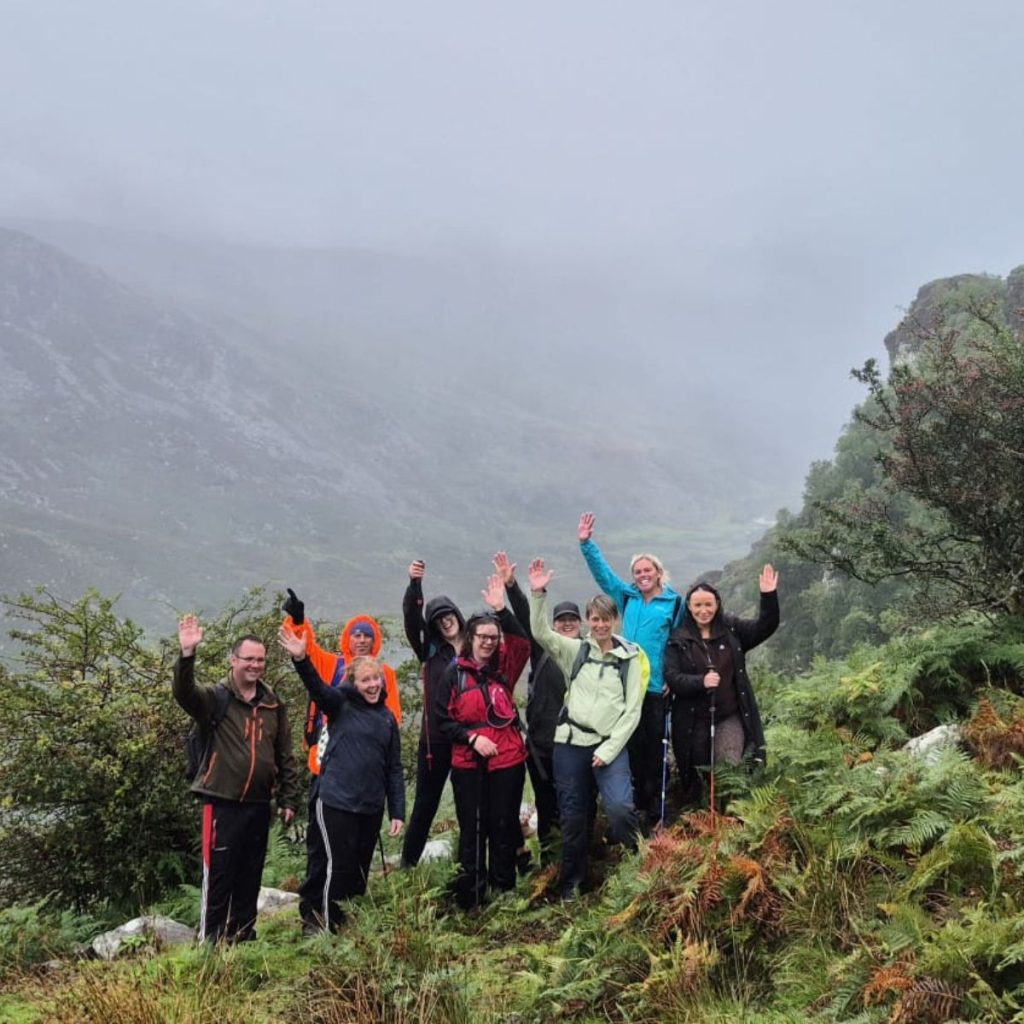
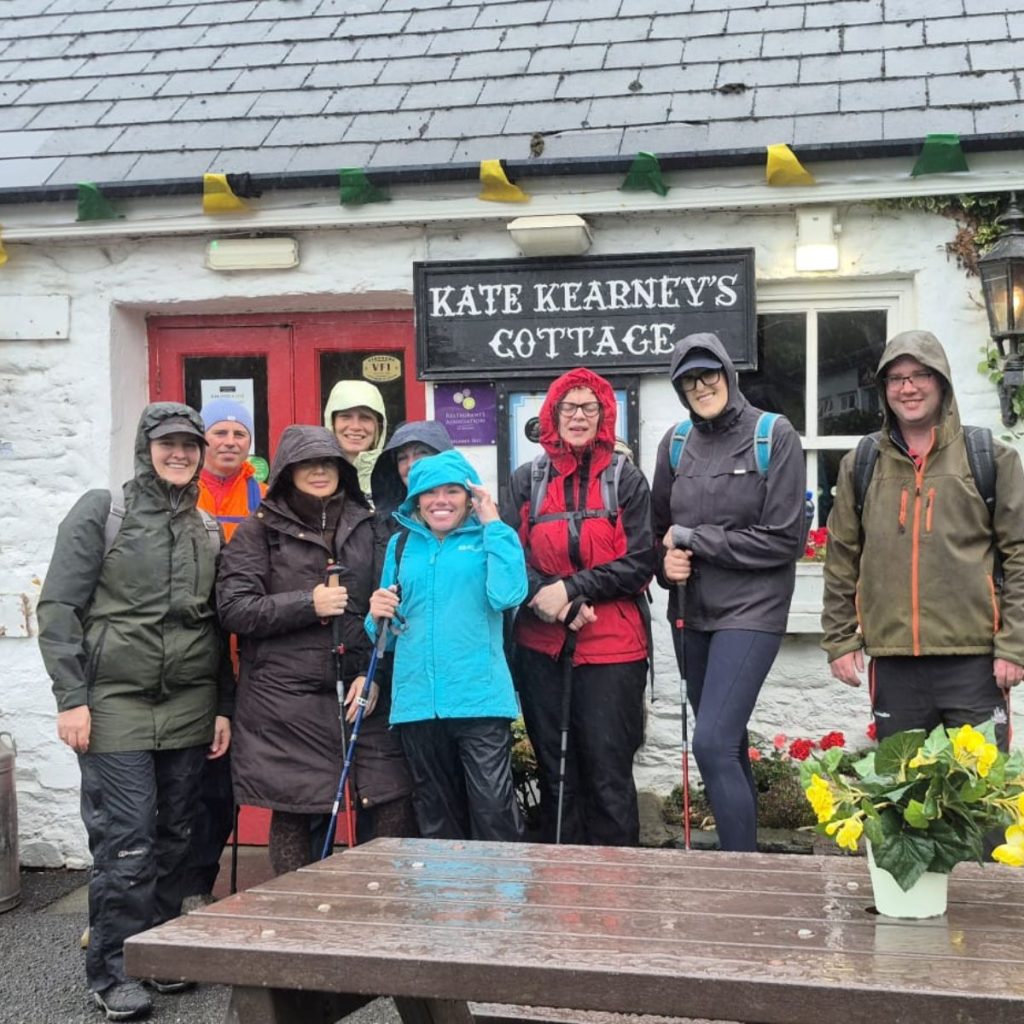
The week did not begin with just the usual weekly Placemaking Data Baseline; it began with a Sunday hike up Strickeen Mountain, above the Gap of Dunloe, with a group of new friends organised by Bandon agent Majella Galvin and led by the incredible Paul of Muddy Souls Adventures – worth checking out if you are anywhere near Killarney with a free morning and a pair of boots. It rained on us the whole way up, but that was forgotten entirely by the time we reached Kate Kearney’s Cottage at the bottom. As an opening to a placemaking week it could not have been better: a landscape that is the county’s greatest asset and its greatest constraint, walked in company, and then a warm room at the end of it. That is roughly what Kerry is offering the people who keep moving here, and it is worth holding that image before turning to what it costs.
The fifth-largest county, the oldest in the series, and among the most rooted
County Kerry covers 4,807 km², the fifth-largest of the 32 traditional counties by area, and is home to 156,458 people – which works out at roughly 33 people per km² (derived), the lowest density of any county the series has visited. Most of Kerry is mountain, bog and coast rather than settlement, and the placemaking question is correspondingly about the towns and villages rather than the county as a whole.
The population grew 6% between 2016 and 2022, an increase of 8,751 people, behind the 8% national rate. Steady, not fast – the opposite profile to the commuter counties of Meath and Carlow earlier in the series. It is also an old county: the average age was 41.5 in 2022 against 38.8 nationally, up from 40.2 in 2016, and 29,567 residents were aged 65 and over, up 18%. Of the county’s towns with at least 500 people, Fieries was the youngest, with an average age of 32.2, and Tarbert the oldest at 46.0.
In terms of rootedness, some 65% of Kerry’s residents – 98,126 people – were born in the county, with 17% born elsewhere in the State and 18% born outside it. Set that against 64% in Louth, 58% in Kilkenny, 43% in Carlow and 32% in Meath, and Kerry sits at the top of the series. Hold that figure, because the market view below is going to put pressure on it from an unexpected direction.
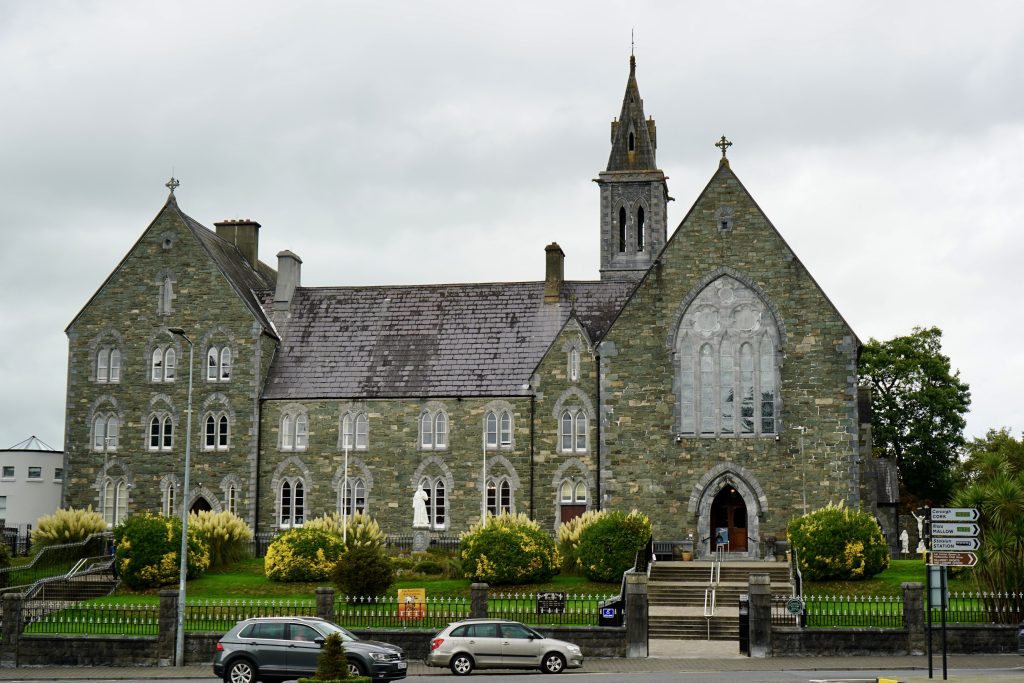
Kerry’s largest town is Tralee, with 26,079 people in 2022, the tenth most populous town in the State. One further census signal belongs with the building figures later on: of Kerry households that moved in the year to April 2022, half moved into a detached house, against 23% nationally, and only 17% into a flat or apartment, against 34%.
Affordable on paper — and the steepest six-year rise in the series
On the transaction record, the median house price in County Kerry was €296,000 across 2026 to date, up 8% on the €274,000 recorded in 2025, against a national median of €388,546 on the same basis – leaving Kerry about 24% below the national line and 16th of 26 counties (HousePrice.ie’s county page for Kerry, drawn from the PSRA Residential Property Price Register; 758 sales registered, captured 2 September 2026, the page’s own data-updated date).
These are achieved prices – what buyers actually paid on the register – and they are a different thing from the asking prices in the Daft.ie snapshot later in this article. The two are not interchangeable and we do not treat them as such.
Beneath the single median, the ladder runs from a detached house at €384,750 and a bungalow at €360,000, through a semi-detached at €300,000 and an end-of-terrace at €285,000, down to a terrace at €255,000 – with apartments, on a thin sample of 29 sales, at €265,000 (HousePrice.ie / PSRA register, captured 2 September 2026). The spread inside the county is wider than the spread between types: the 2026 median in Dingle stands at €400,000 against €220,000 in Castleisland, a €180,000 gap from peninsula to inland town on small samples of 25 and 20 sales respectively.
The longer arc is the figure to sit with. Kerry’s median has climbed from €165,000 in 2020 to €296,000 in 2026 – a rise of about 79% in six years, against a national move from €248,000 to €388,546 over the same period. That is the steepest six-year increase the series has recorded. A county that reads as affordable against the national line has, on the register, been repricing faster than the country, and that is the fact the market view below explains.
Rents a third below the national line – where they can be measured at all
The standardised average rent for a new tenancy in County Kerry was €1,241 in Q4 2025, up just 1.9% year on year, against a national figure of €1,755 – about 29% below. Existing tenancies averaged €1,022, up 5.8%, against €1,503 nationally – about 32% below, and, unusually, rising faster than new-tenancy rents.
The internal picture is thin in a way that is itself the finding. The Tralee Local Electoral Area is most expensive at €1,297 for a new tenancy, followed by Killarney at €1,248 and Kenmare at €1,158. But three of Kerry’s six electoral areas – Listowel, Castleisland and Corca Dhuibhne – had too few new-tenancy registrations for the RTB to publish a figure at all. On existing tenancies the full set runs from Killarney at €1,122 down to Corca Dhuibhne at €916, the Gaeltacht LEA being the cheapest measurable rental market in the county and one of the three where new tenancies cannot be measured. Half the county has a formal rental market too small to see.
Building steadily – and building one-off houses
County Kerry completed 193 new dwellings in Q2 2026, out of a national total of 8,823 for the quarter – about 2.2% of national output from a county holding about 3.0% of the national population. The composition is distinctive: 61 single houses, 105 scheme houses and 27 apartments. One-off homes were 32% of Kerry’s output, twice the 16% national share – consistent with a county where half of all recent movers went into a detached house.
The forward pipeline is modest. There were 771 residential buildings under construction and 668 new residential address points added in the year to June 2026. And here is where Kerry stops looking like the counties before it.
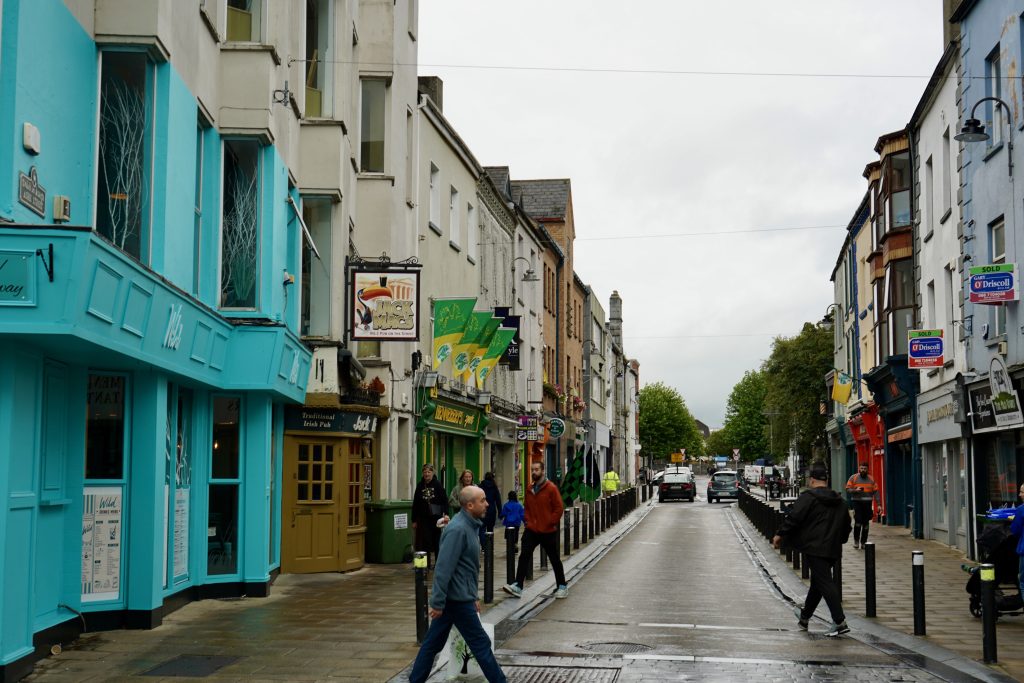
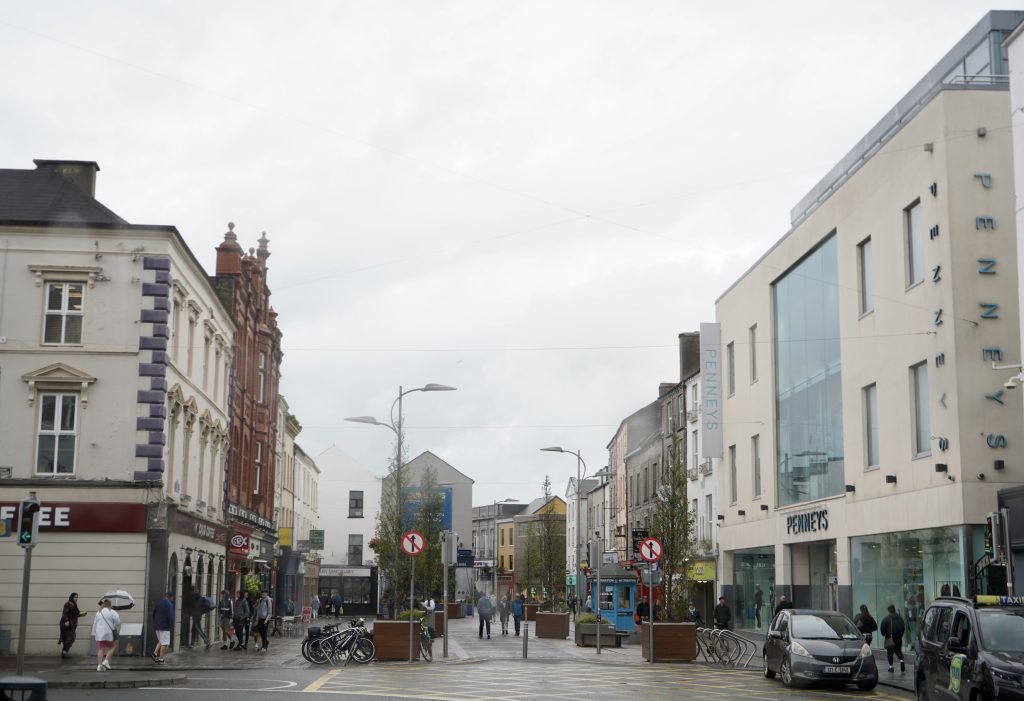
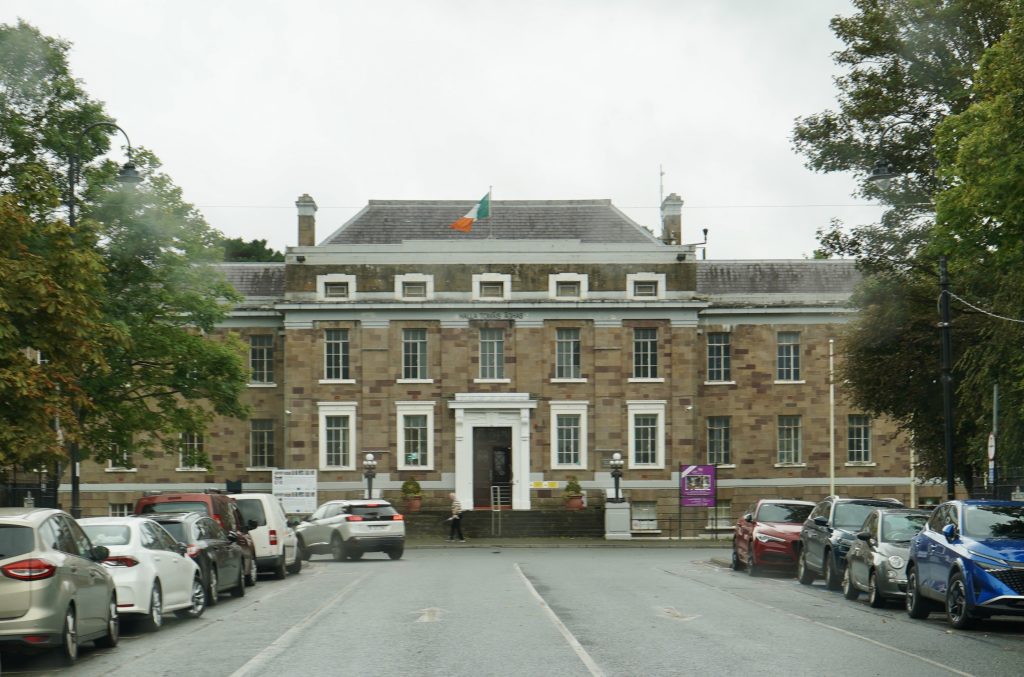
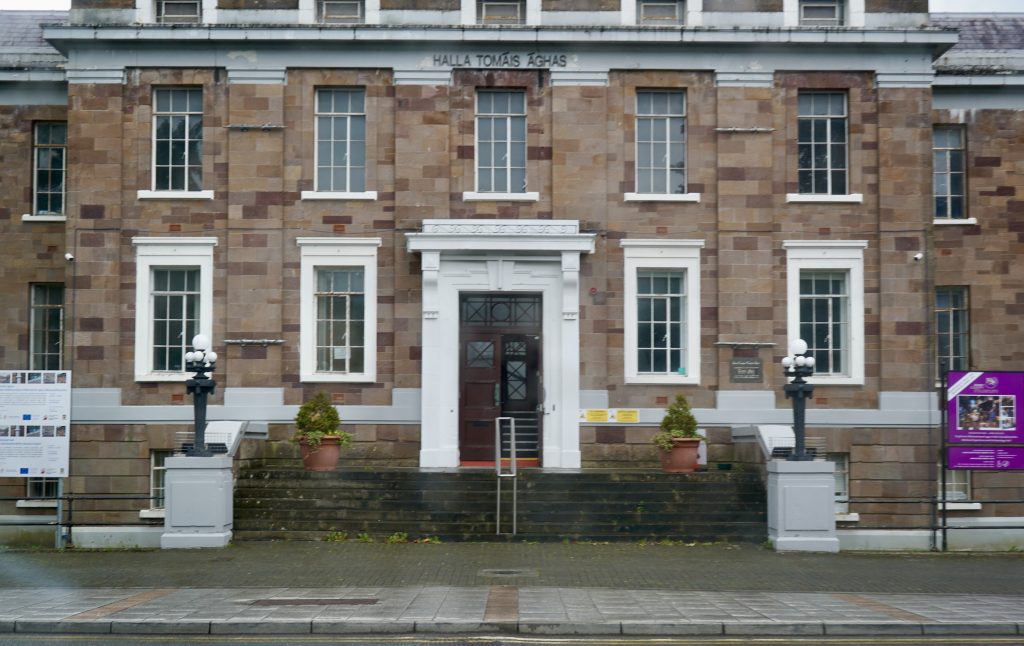
Housing stock in the wrong use
Every county week so far has, in one way or another, been about not enough buildings. Kerry is the first where the buildings are there.
Residential vacancy in Kerry stood at 6.9% in June 2026 – almost double the national rate of 3.7%(GeoDirectory Residential Buildings Report Q2 2026). The same figure was reported from the Q4 2025 edition, so it is stable across two consecutive releases. The Census gives the two figures that sit behind it. There were 8,896 holiday homes in County Kerry in April 2022, up 10% since 2016 – one in every nine homes in the county. And 3,105 dwellings were recorded as vacant in both the 2016 and 2022 censuses – the hard core of long-term vacancy that the vacant and derelict property grants are aimed at.
Then the fourth number. On a live Daft.ie capture on 7 September 2026 there were 33 homes advertised to rent long-term across the whole county, against 511 for sale. That is one rental listing for roughly every 4,700 residents – the thinnest per-capita rental market the series has measured.
The three headline figures come from three sources and three reference periods and are not additive: vacancy is a rate of building stock, the holiday-home and long-term-vacancy counts are Census 2022, and the rental count is a single live platform capture. Read side by side rather than summed, though, they describe a county where the placemaking question is not how to build more but what the homes already standing are for.
One deliberate absence. In previous weeks this section has carried an Airbnb entire-homes count against the long-term rental figure. A county-wide Airbnb search for Kerry returned the platform’s “1,000+” display cap, which is a ceiling rather than a count, and this series does not publish a censored number as a figure or a ratio. The sub-county captures – Killarney, Dingle, Kenmare, Tralee, Listowel and the Iveragh peninsula on a single date – are the fix, and they are on the list below.
Commercial vacancy, at 12.3%, sits below the national 14.5%, but the county figure hides a wide range: Listowel runs to 20.3% against Killarney’s 11.2% (GeoDirectory Commercial Buildings Report Q2 2026). The tourism town is full; the market town I know best has one shop in five empty.
The view from the market: the grants are working, and they are being paid for
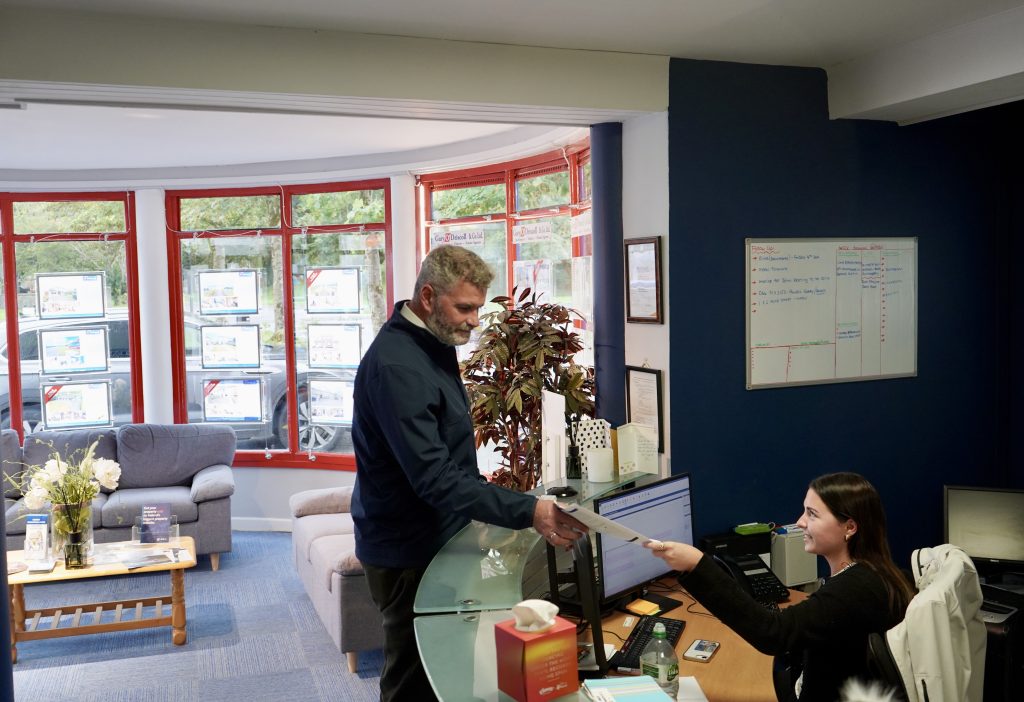
Testing the baseline against someone close to the transactions, Institute of Professional Auctioneers & Valuers (IPAV) Gary O’Driscoll of Gary O’Driscoll & Co. in Tralee described a market that is overwhelmingly second-hand – “the majority of sales,” on his account, “would be second-hand homes” – with new supply arriving in patches: Killarney doing well, a Homeland development at Ballyard in Tralee among the most notable, and a couple more schemes coming online. Nothing in that contradicts 193 completions in a quarter.
Where his account cuts deepest into the baseline is on the older stock. Over the past 12 months or so, he has seen properties come to market that had never been offered before, and he is clear about why: the Vacant Property Refurbishment Grant and its derelict-property top-up are “driving things forward.” That is the activation mechanism the Kilkenny week said the country lacked – the instrument reaching the ground – and on Gary’s evidence it is reaching the ground in Kerry. The corollary is the part to sit with. Those same properties, he says, “are making more than what you’d expect them to make, even in the current climate,” with some now pushing €300,000 and more. In other words, a grant designed to close the gap between a derelict house and a habitable one is, at least in part, being capitalised into the price a buyer pays for the derelict house.
That reframes the price section above. Two years ago, on his account, the lion’s share of Kerry buyers sat in a €250,000–€350,000 bracket. Now a semi-detached in some parts of Tralee is “upwards of €400,000.” Set that against the register: the county’s 2026 semi-detached median is €300,000, and the county median has risen 79% since 2020. Both readings can be true at once – the register measures the whole county, the agent is describing the top of one town’s market – and the honest reading is that Kerry’s affordability on paper is a county average concealing a Tralee market that has moved much faster than the line.
On cash buyers: I put to him the figure IPAV colleagues elsewhere had relayed to me in the days before – up to 40% of transactions completing in cash – and he was careful: “Would it be 40%? I’d be open to having to check that.” What he would say is that cash buying in Kerry is not this year’s story; it has been happening for a number of years, and the buyers fall into two groups. The first are domestic, coming down from Dublin, Cork or Limerick, out of the cities and towards the west “from the point of view of accessibility to beaches, different lifestyle or different speed of life.” The second are buyers from the UK and the US – “in the majority” cash – and it is this group he has seen most in the last six to eight months: people with no previous connection to Kerry, looking at Tralee and north Kerry specifically, wanting a sea view and something in a village rather than the town, and buying in a bracket that runs “anywhere from €500,000 up to €900,000, depending on its location.” His observation that “those people aren’t coming over for a holiday home – they tend to be moving here,” and that the political landscape in those countries is part of what draws them, is his read, not a statistic. But it is a practitioner’s account of exactly the demand that would produce a Dingle median of €400,000 against Castleisland’s €220,000.
Now put that beside the 65%. Kerry is one of the most rooted counties in the series by place of birth, and the marginal buyer at the top of its market has no connection to it at all. Neither of those facts is a problem in itself – a county that people choose is a county doing something right, and Gary’s own view is that the effort Kerry puts into drawing people in “is obviously working because they’re moving here”. But it is the tension the county’s towns and villages will have to hold, and it is a very different one from the commuter counties, where the arrivals are priced out of Dublin rather than priced into Kerry.
On the first-time buyer: This was the exchange that tested the baseline most directly, because it is the human mechanism behind 33 rentals and three unpublishable electoral areas. A first-time buyer in Kerry with a young family, on local earnings, will typically bring a mortgage of €250,000 to €300,000 to the table, he says. Two years ago that bracket bought a home you could move into. The same properties “have now moved to that €350,000 to €400,000 bracket,” and what remains at €200,000–€300,000 “are properties that do require work.” The vacant and derelict grants help: “not enough, but it assists.” It is a precise description of a household caught between a rental market too thin to see and a purchase market that has repriced past its mortgage — and of a grant that helps that household, while also, on his earlier point, helping to lift the price of the very stock it was meant to make attainable.
On supply: Gary is from Cork, and came to Kerry twenty years ago for the same reasons he now watches others arrive: the pace of life, the beaches, the amount there is for children to do, the fact that “nothing is that far away”. His diagnosis of the supply side is short. New developments are not meeting demand – he accepts that is true everywhere – but Kerry has “a lot of land that is zoned” and “not an awful lot of availability,” and his message to anyone considering developing in the Tralee area is the one the week keeps returning to: “The numbers are there. The buyers are there. Unfortunately, the properties are not”.
The Kerry question: what are the homes for?
Every county before this one has asked whether national instruments reach the ground. Kerry’s evidence is that one of them does – the vacant and derelict property grants are visibly moving stock that had sat unsold, on the account of the agent selling it – and that reaching the ground is not the same as reaching the household it was designed for.
The figures in this file describe a county with 8,896 holiday homes, 3,105 dwellings empty across two censuses, a vacancy rate near twice the national one, and 33 homes to rent. The market view describes grant-assisted old stock arriving at prices that surprise the seller, a top bracket filling with cash from outside the county and outside the State, and a local first-time buyer whose mortgage buys the stock that needs work. The two accounts are consistent with each other, and consistent with the census finding that half of Kerry’s movers go into a detached house. What they add up to is a county where the built environment already exists in quantity, and the placemaking work is about use, tenure, condition and who gets to live in it – a harder and less photogenic problem than a crane count.
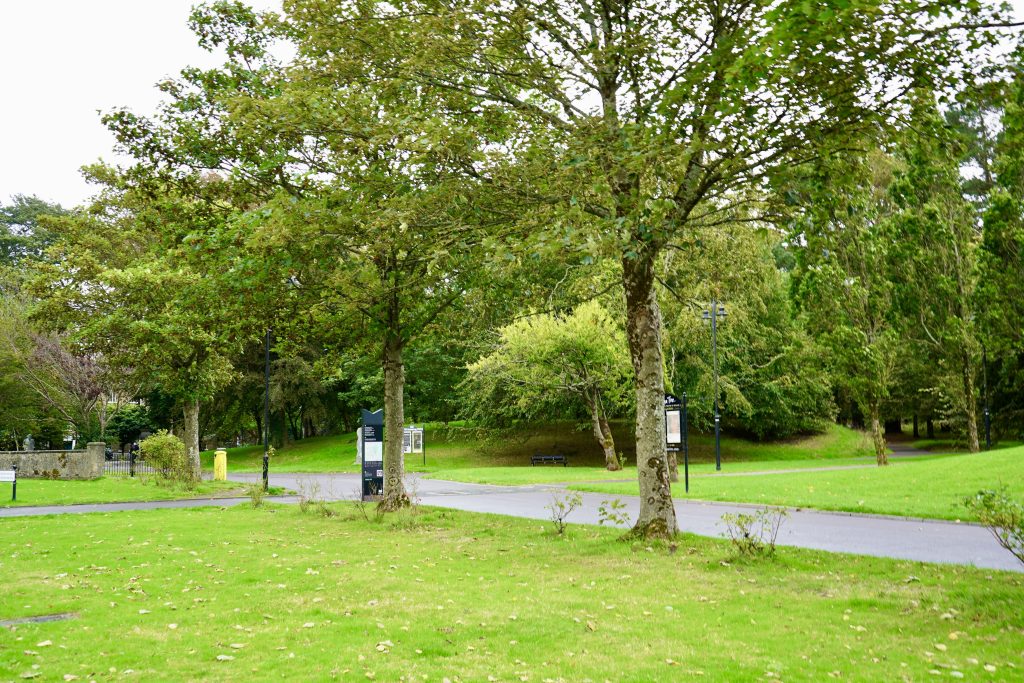
It is also, and I say this with the sentiment declared, the county where the answer is most obviously in the villages. Sneem, Castleisland, Tarbert, Fieries, the Gaeltacht of Corca Dhuibhne – these are the places where a rental market is currently too small to measure, where an older population is rightsizing with nowhere in the village to rightsize into, and where a grant that brings one house back into use changes a street. The mountain we walked on Sunday is why people come. The villages are where they will or will not be able to stay.
*At the time of publishing, we are awaiting confirmation of Kerry Gaeltacht housing measures for Corca Dhuibhne or Uíbh Ráthach.
The takeaways for Kerry
Three things stand out from the Week 11 visit.
- First, Kerry is the counter-case: 11 weeks in, this is the first county where the story is not the absence of buildings but the presence of the wrong ones in the wrong use: 6.9% residential vacancy, one home in nine a holiday home, 3,105 dwellings empty across two censuses, and 33 to rent. A county whose placemaking task is activation rather than construction needs a different toolkit – condition, tenure, conversion, the small budgets that bring a house on a village street back – and, on the market evidence, one of those tools is already turning.
- Second, affordability on paper is a county average: A median 24% below the national line coexists with the steepest six-year price rise in the series, a €180,000 gap between Dingle and Castleisland, and an agent’s account of Tralee semis at €400,000 and coastal villages at €500,000 to €900,000, bought in cash by people who have never lived here. The most rooted county in the series, at 65% born in the county, is being repriced at the top by people who were not.
- Third, the first-time buyer is the person current policy instruments are missing: A €250,000–€300,000 mortgage in Kerry now buys the stock that needs work; the grant that makes that stock attainable is also, on the selling agent’s account, lifting its price; and the alternative – renting while you wait – barely exists in half the county’s electoral areas. The buyers are there. The properties are not. Gary O’Driscoll’s line is a message to developers, and he meant it as one, but it is also the most concise description of Kerry’s placemaking problem that the week produced.
As ever, this is a starting point, not a verdict – and in Kerry, more than any other county, I have a bias. The rain kept the number of strangers I spoke to lower than in any week to date, so, if you live, work, let, build, buy or rent in Kerry – in Tralee, Killarney, Listowel, Castleisland or Kenmare, on the peninsulas, in the Gaeltacht, or in Sneem, where I first learned what a place could be – tell me where this is wrong. Corrections and contributions are always welcome: carol@placeengage.com